Digital News report

Curtain Reopens on Scottish Arts Funding

Outrage subsides as Scottish government make U-turn on theatre and arts funding

Newly elected leader of the SNP and First Minister Humza Yousaf has today confirmed the party’s U-turn on the Government’s 10% to to Creative Scotland’s Grant in Aid budget.

The government were warned that these fiscal measures could have resulted in thousands of jobs lost in the creative sector.

This is after a petition against the cuts, led by some of Scotland’s foremost creative figures received over 15,000 signatures. We spoke to Steve McMahon, Scottish playwright and recent recipient of the Edinburgh Fringe’s ART Assembly award about how these cuts could have been detrimental to the country’s cultural backbone:

Hi Steve, thanks for speaking to us today, the firstly can I ask, how do you feel that independent creative arts are supported throughout the UK?

I’d say less and less as time goes on, we’ve been on a downward spiral for quite a while now and it doesn’t seem like there is the initiative to pull us out of it. It feels harder and harder for emerging grassroots artists and musicians to make a name for themselves.

Does this recent funding U-turn by the newly appointed Humza Yousaf instil you with any confidence that progress can be made?

Of all the potential candidates, he was the only one that gave me any confidence in the government to restore some help, but it remains to be seen if any lasting impact can be made on what is a struggling industry, that is trying to recover from the effects of the pandemic.

Some people would suggest that in the current economic climate, there needs to be cuts somewhere, what would you say to the people that suggest the cuts are a necessary evil to prop up areas such as the NHS and education?

It’s a difficult thing to say to suggest that the money shouldn’t go to those important areas, but I think people need to realise just how crucial the arts are.

It’s not just the entertainment factor, turning to arts, films and live performance is what gets people through tough times like the pandemic.

It’s easy to forget just how much of an impact theatre and the arts has on everyday life.

It also gives a creative outlet for young people to deal with what’s going on in their lives and gives them confidence and crucial communication skills, that aren’t found in many other aspects of education.

You’re currently living in the US, have you noticed a significant difference in how the arts are supported over there?

Yeah, it’s completely different. Quite a lot of their theatres are privately funded rather than relying on Government. You’ll see a lot of it being funded by wealthy individuals, I’m not saying that’s right, but it does mean that there are more pots of money available at the grassroots level.

Thank you very much for your time Steve and for your fantastic insight.

(This interview was conducted over a WhatsApp call and has been edited for grammar and clarity)

The views of our expert however, don’t seem to ring true with the rest of the public. According to YouGov, only 36% of people surveyed support the preservation of government funding to higher education arts courses, with 40% in total opposition.

Our governments choosing to save money by cutting funding from the cultural arts is not unique to Scotland. Across the UK, devastating cuts have been made by councils looking to prop up other failing departments as austerity measures have caused Council budgets to suffer inflation-adjusted cuts of 37% over the past 10 years. Many critics have termed these cuts a form of “cultural vandalism” suggesting that lack of funding to arts and culture will have a significant and detrimental effect, on all of the United Kingdom. Going forward, it remains to be seen what the long term effect of neglecting the art will be.
5 Most Iconic Manchester Gigs

Over the years there have been many stand-out gigs in the city of Manchester. From the Sex Pistols to Madonna, we look at the most talked- about performances of the 20th century.

Beatles at The Oasis Club (1962)

On the 2nd February 1962, The Beatles played their first professional Manchester gig. They were booked to the Oasis Club, a venue that formerly stood on Lloyd Street, in the heart of the centre.

Brian Epstein had just taken over as the Beatles’ manager a month prior, so this was one of the first gigs where the Beatles donned their iconic suit and tie combinations. The queue for the gig was allegedly halfway down the road, despite their first single “Love me Do” not yet being released. Such was the buzz of BeatleMania in the North-west.


Gospel and Blues Train (1964)

In 1964, Granada Television productions filmed a concert at a Chorlton train station, which included iconic blues acts such as Muddy Waters, Sister Rosetta Tharpe and Brownie McGhee.

The station was transformed into a Wild West set and one could be forgiven for mistakenly believing the footage was shot in New Orleans rather than what is now a Morrisons car park.

This gig really put Manchester on the map as a city that embraces music from all cultures and the mini festival was wildly ahead of time, in particular for having a Black American woman as one of the headliners. Sister Rosetta Tharpe even cheekily remarked “pretty good for a woman ain’t I?” to the adoring Manchester crowd.

Sex Pistols at the Lesser Free Trade Hall (1976)

This performance was the subject of David Nolan’s book and subsequent documentary “The Gig That Changed The World“. Despite this, a mere 40-50 people were reported to have turned up. This was in the early stages of punk and the Sex Pistols themselves had only been performing under that moniker for roughly 6 months.


So why is it regarded as such an iconic gig?
Well, among those few dozen people were members of the Buzzcocks and Morrissey of The Smiths. Those young musicians watched this gig and were inspired to change the music scene with their own writing.

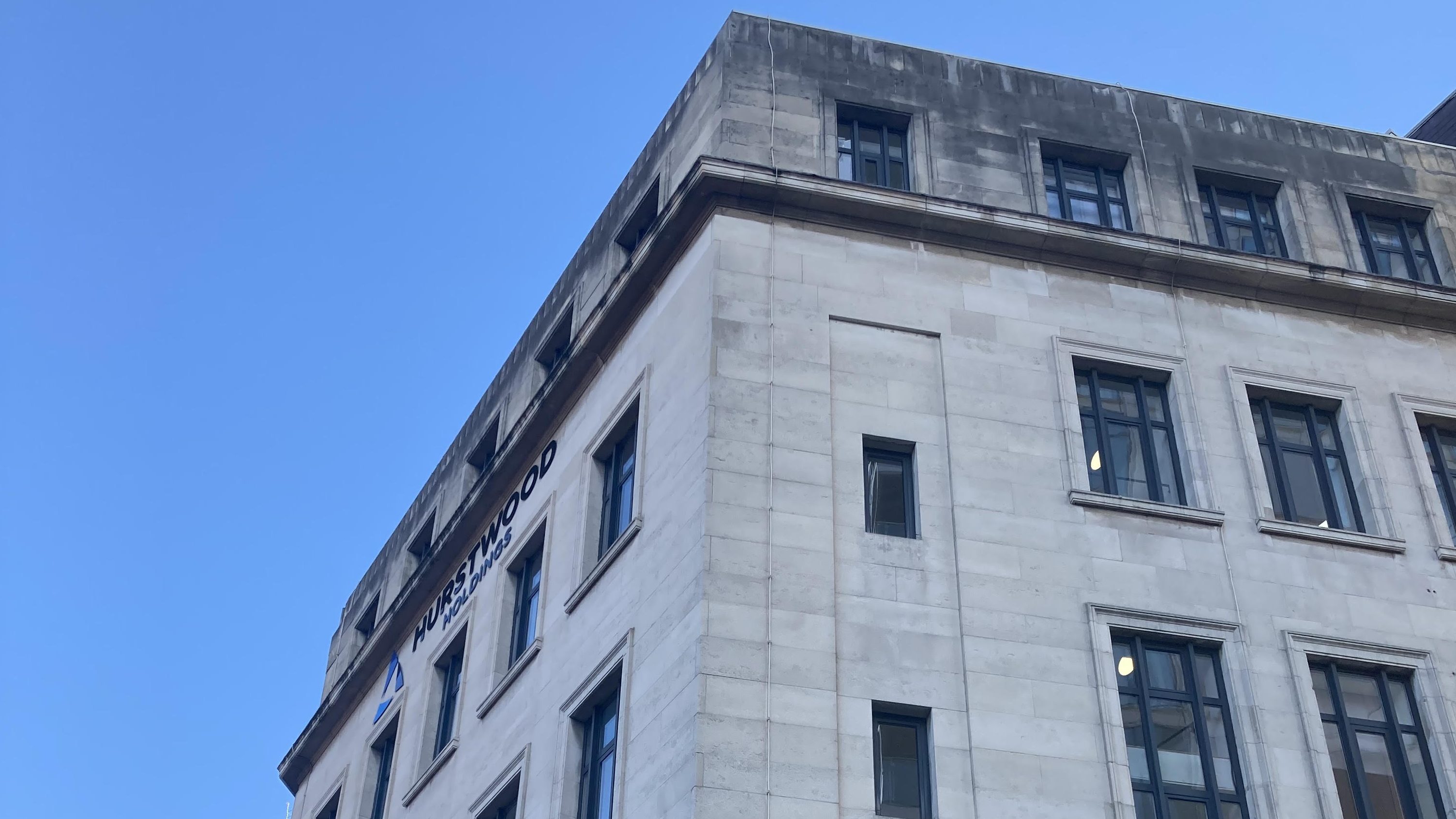
The Lesser Free Trade Hall in its current guise as office space

Madonna- The Hacienda (1984)

Garlic… bread? Madonna… Hacienda? Sometimes the strangest of combinations result in an incredible result. The year was 1984 and neither Madonna nor The Hacienda had reached their future worldwide fame and notoriety. Madonna had just released her first single, but was yet to reach fame outside of New York.

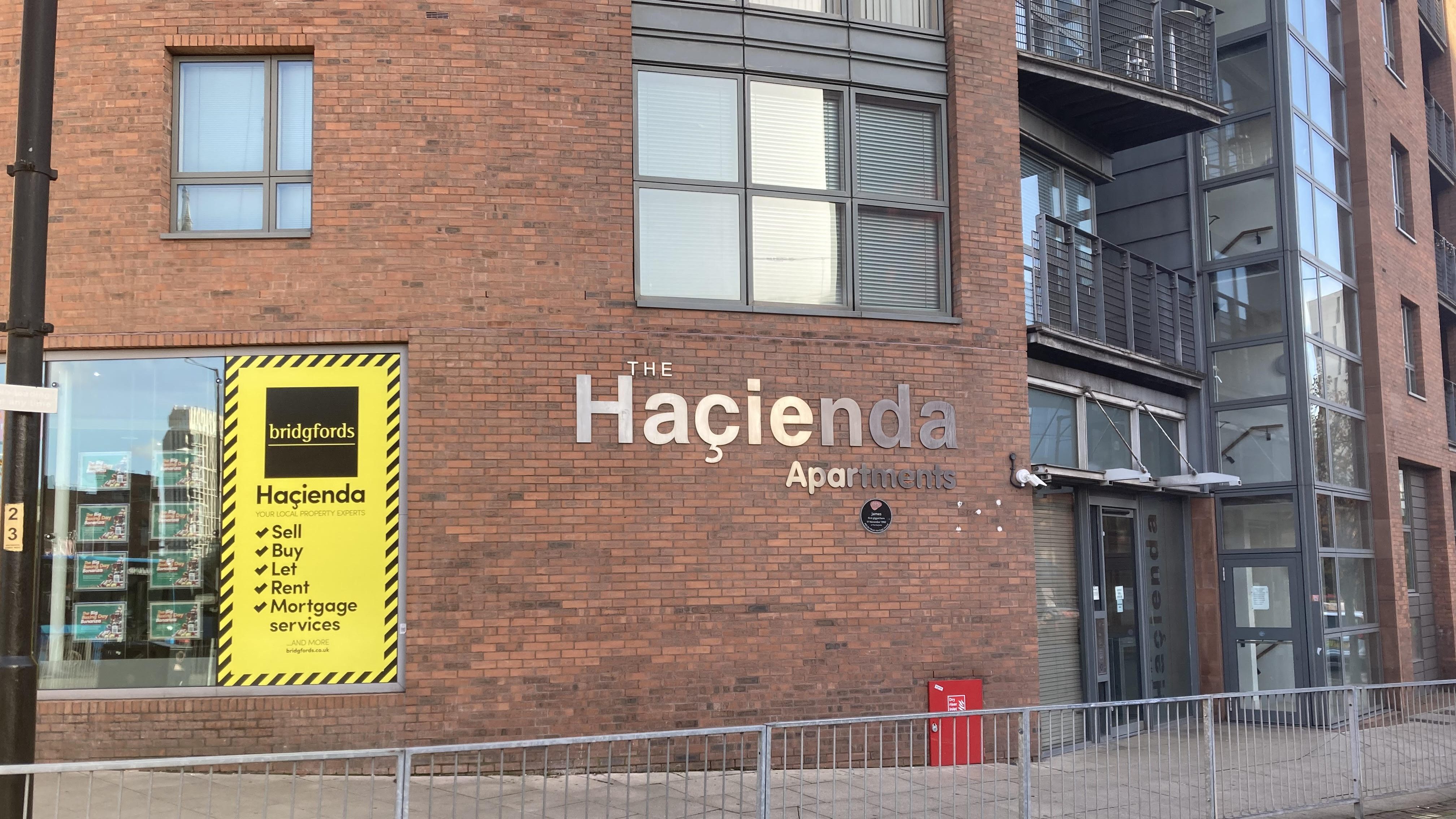
The building that was formerly the Hacienda nightclub

The gig was booked as part of the music television show “The Tube” presented by Jools Holland and featured a young Morrissey as one of the support acts. While not as iconic in terms of the musical performance, this gig makes the list for its pure absurdity and its foreshadowing of the future explosion of the Hacienda.

Arguably THE biggest Manchester gig of all time, Oasis’ first sell out pair of performances at their beloved Maine Road have forever etched a mark in music history.

Oasis- Maine Road (1996)

Originally intended to be just the one date, the 40,000 capacity venue sold out in less than a few hours, so the band’s management added a second date two weeks after the first. It cost music lovers just £17 for entry, even adjusted for inflation this puts ticket prices for recent stadium gigs to shame!


How music venues shape our cities

Live music: The beating heart of a city

From The Beatles with Liverpool, Manchester with Oasis, or Gerry Cinnamon with Glasgow, some artists and bands just become synonymous with their city of origin.

But what shaped these bands into the cultural phenomena they are today?

A large part of this is that they were all able to capture the cultural zeitgeist of their respective eras. A culture that is formed by music venues, bars and the people that frequent them.

Often these venues have been an outlet for people in working-class areas, giving young musicians a space for creativity.

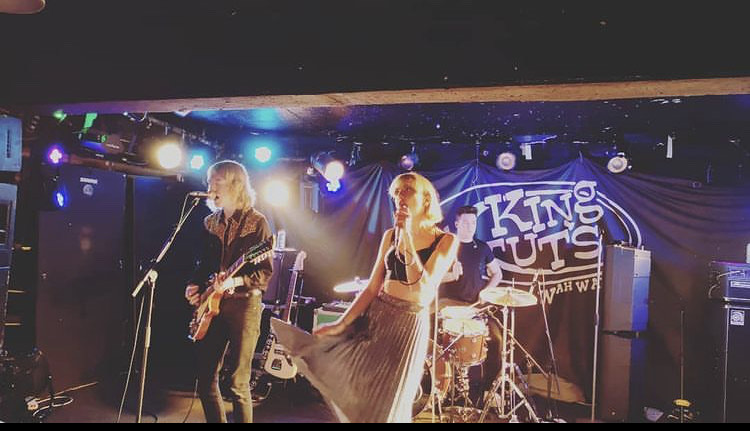
Anteros at King Tuts’ Wah Wah Hut

With the shift from vinyl and CDs towards a digital age, music lovers crave something tangible more than ever and there is nothing more tangible than experiencing music in the flesh.

The Covid-19 pandemic hit gig venues and bars harder than almost every other industry, with many having to use crowd-funding to stay afloat. So now is as good a time as any to head down to a show and have a boogie!

Design a site like this with WordPress.com
Get started